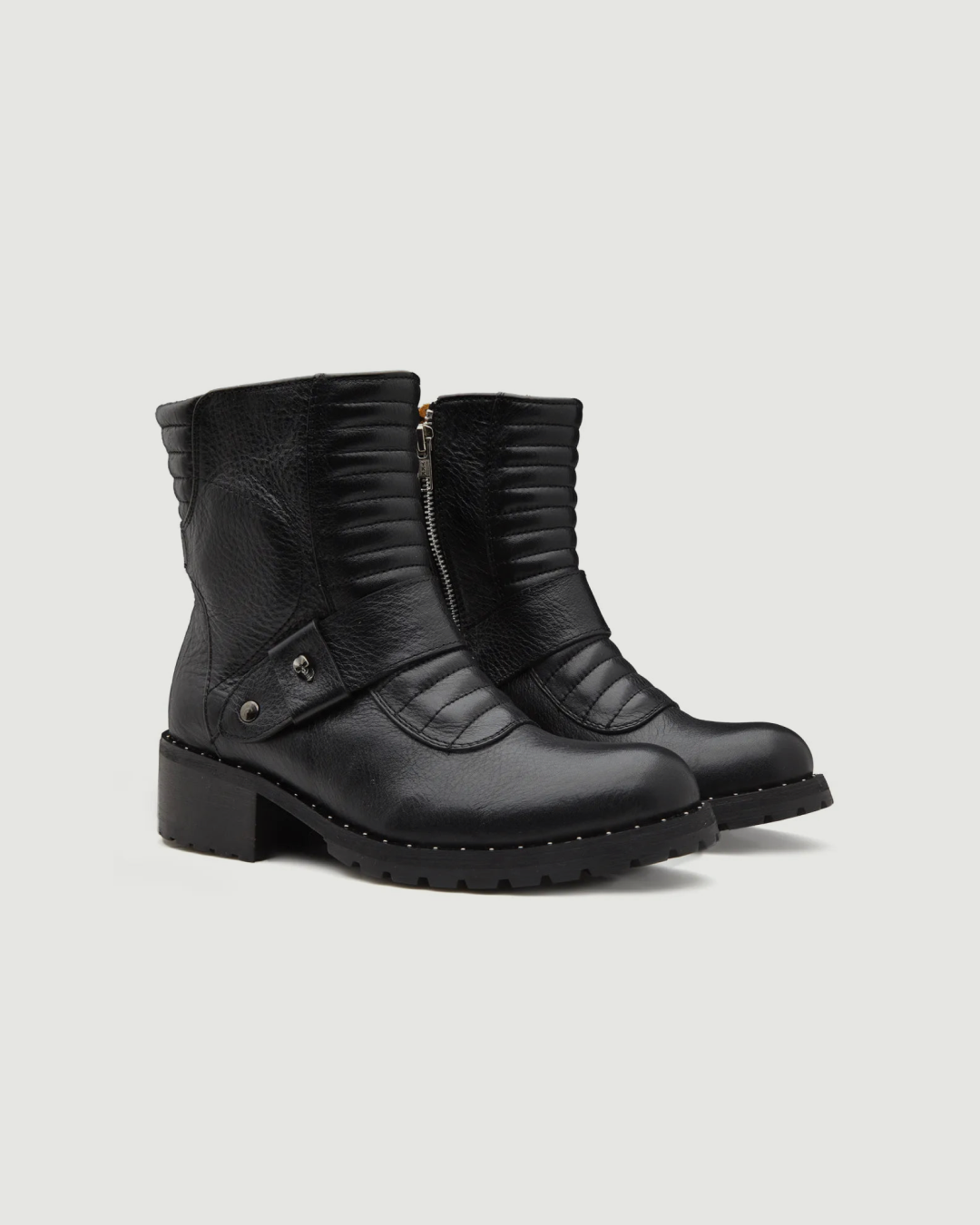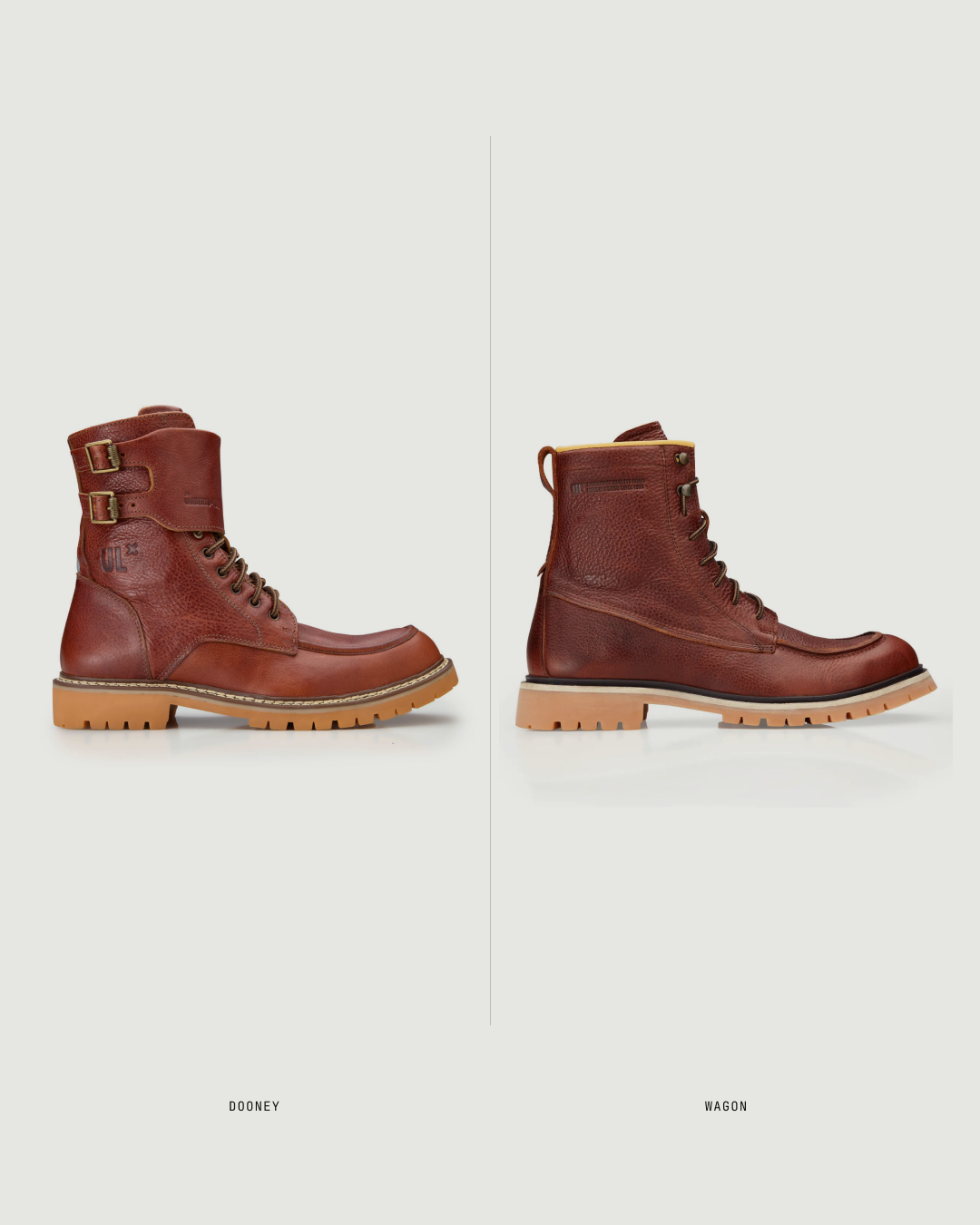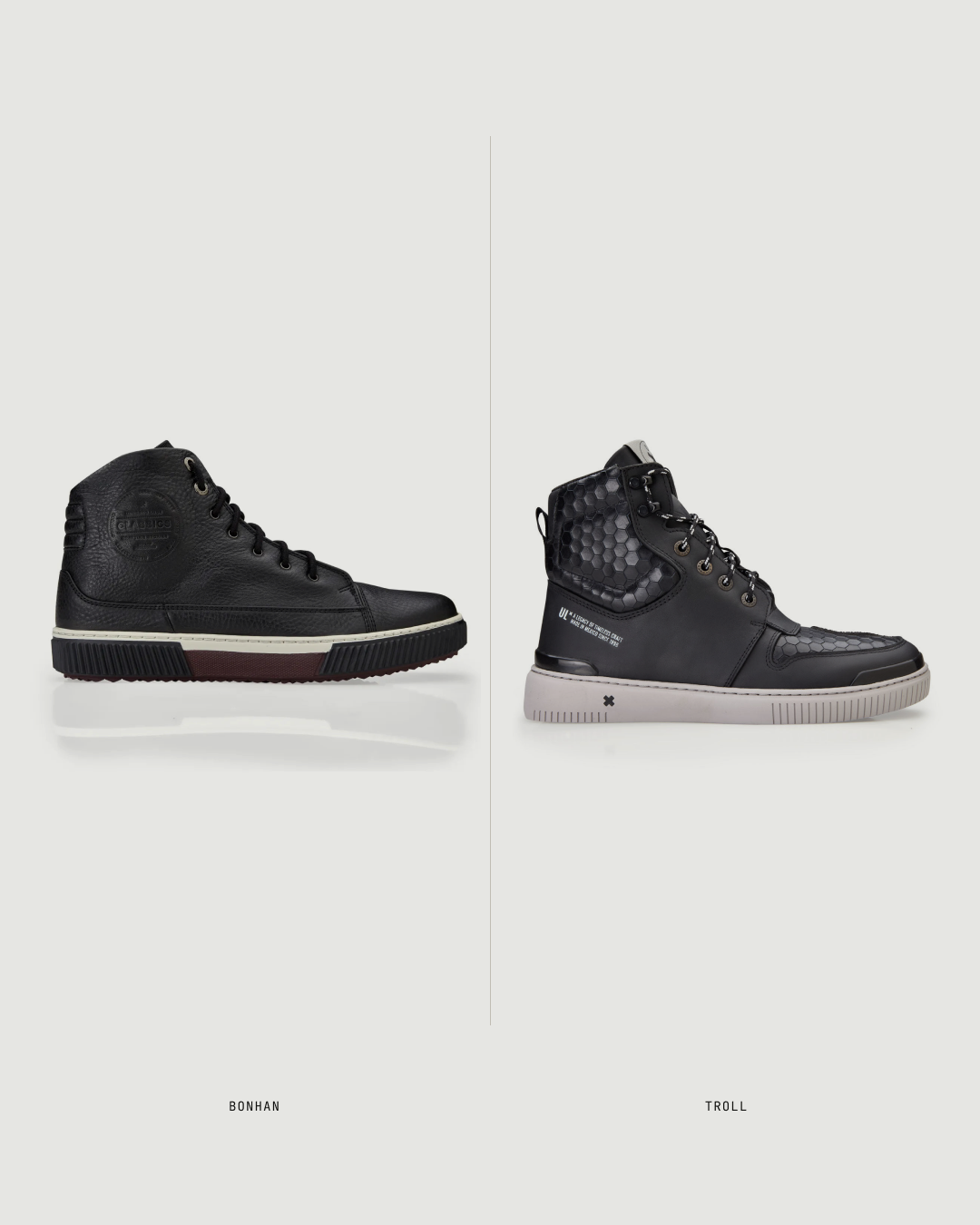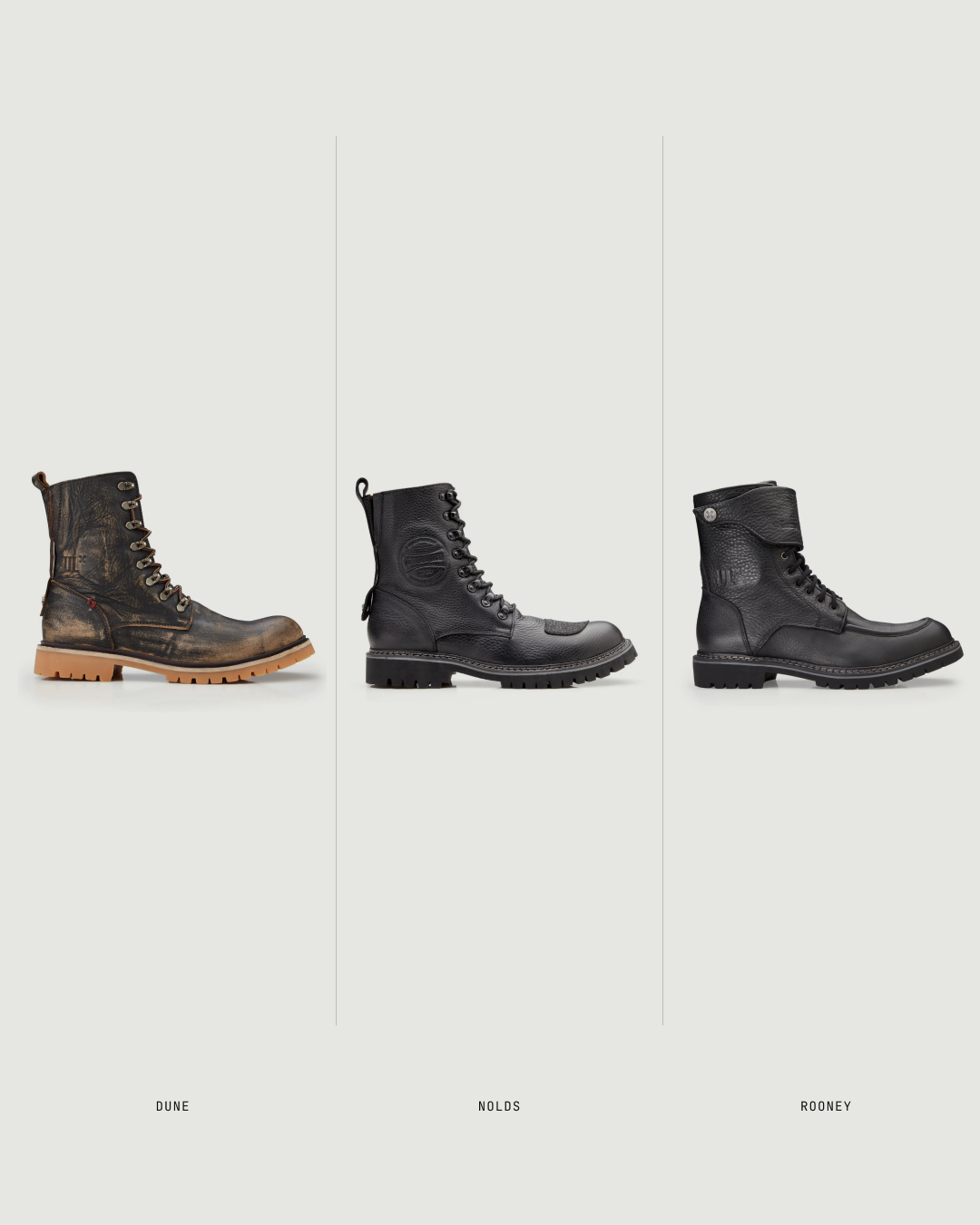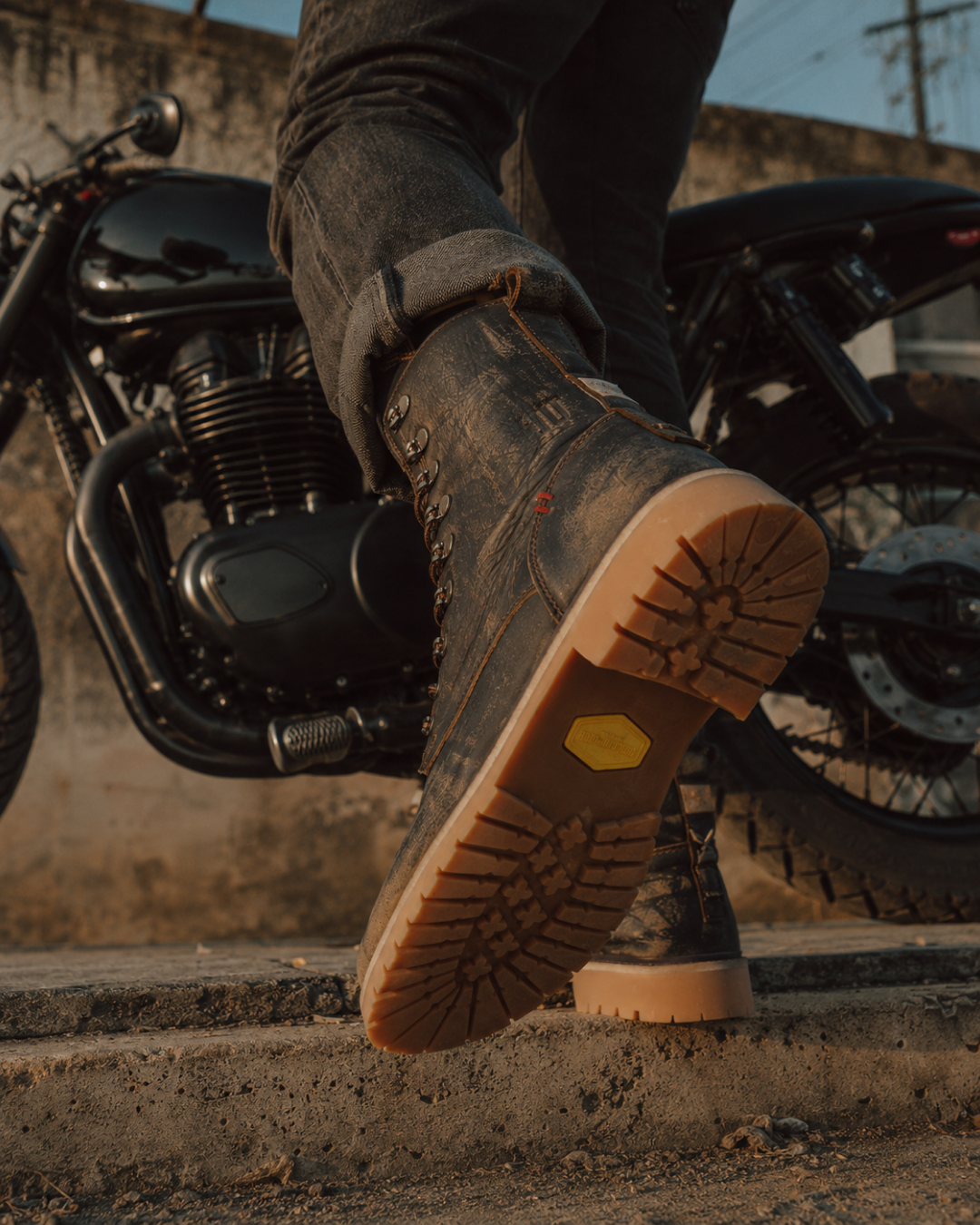
The sole is the point of contact with the ground, but its performance cannot be inferred from a deep tread alone. The material, the wear, the surface and the conditions of the route all matter.
What you should check
- Read the material declared on the spec sheet
- Look at the tread and channels without assuming results
- Check for uneven wear and contamination
- Consider walking as well as riding
- Test stability on safe surfaces
Why it matters in real use
Footwear works as a whole: size, last, upper, closure, sole and components all interact. A single isolated feature is not enough to declare that a model will be the best for every person or every route.
The materials, components and constructions cited here correspond to the technical information published by Umberto Luce. Price, promotions and stock can change by size and should be checked at the time of purchase.


How to apply it step by step
- Dune declares a natural rubber sole; Bonhan Classics uses TR polymer.
- Nolds and Wagon also declare natural rubber, while Troll uses a Vulka sole.
- Water, oil, sand and road paint can all reduce contact.
- Replace the pair or ask for advice when wear clearly changes the base.
How to read a spec sheet
Separate the outer material, the lining, the ankle protection, the reinforcements, the sole, the construction, the last and the closure. If a figure is missing, do not fill it in by analogy with another model. Two pairs from the same line can have different components or finishes.
A declared technology describes a component and where it sits, not the outcome of any given accident. A responsible comparison explains what each model includes, what coverage it offers and the context it is being judged for.
Construction and maintenance
It also matters that the pair stays in good condition. Check the seams, the join with the sole, the wear and the cleanliness. A technical component does not make up for the wrong size, a contaminated sole or a product in poor condition.
Sole materials across the collection
| Product | Published sole | Main difference |
|---|---|---|
| Dune, Nolds and Wagon | Natural rubber | Boot format with different entry systems |
| Bonhan Classics | TR polymer | A low-silhouette Rider sneaker |
| Bonhan X and Troll | Vulka | Rider+ sneakers with a different sole construction |
The name of the material does not allow anyone to promise grip on every surface. Contact depends on the tread, cleanliness, wear, water, road paint, oil or gravel, and on how you place your foot. Check the centre, the edges, the heel and the flex area.
When to request a review
Irregular wear, a hardened surface, cracks, delamination or an obvious loss of stability are all signs to stop the assessment. If you see the upper separating from the sole on a Lockstitcher construction, document the point and request a review; do not treat it as cosmetic wear.
Mistakes worth avoiding
- Choosing on appearance or a promotion alone.
- Copying your size from another brand without measuring.
- Turning a material or component into an absolute guarantee.
- Ignoring your riding and the time you spend walking.
- Wearing the pair outside before confirming the fit.
Related reading
Frequently asked questions
Which material grips best?
That cannot be stated without a comparable test under defined conditions.
Does a deep tread guarantee traction?
No. The material, the surface and contamination also play a part.
Should I clean the sole?
Yes, without using chemicals that damage the material or leave slippery residue.
Explore Umberto Luce motorcycle footwear and compare the models explained in this guide directly.